York Springs, PA, May 18, 2026 — Every three minutes, a child is born with clubfoot, a treatable condition that twists the foot downward and inward. Without treatment, children often face lifelong disability, stigma, and isolation. But with early intervention, they can walk, run, attend school and participate fully in their communities.
On June 3, World Clubfoot Day shines a global spotlight on the children already walking strong and the millions worldwide still waiting for treatment. This year’s theme is “See Early. Treat Early. RunFree,” emphasizing the importance of early detection and treatment.
This year, Hope Walks, a nonprofit headquartered in Central Pennsylvania serving children with clubfoot across Africa, Latin America and Asia, is marking the occasion with growing international visibility and new evidence showing how profoundly clubfoot treatment transforms children’s lives.
Earlier this year, Hope Walks was featured in a Beast Philanthropy video documenting the arrival of a shipping container clinic in Kenya. The clinic was designed and built by students in Texas A&M University’s BUILD program and will expand access to treatment in underserved communities where families often travel long distances to reach care.
Hope Walks is also launching a new animated educational video through SciTube that highlights groundbreaking research funded by The University of Notre Dame conducted on its Ethiopia program by economist Dr. Bruce Wydick and colleagues Gianna Camacho and Patrizio Piraino. The study found that clubfoot treatment dramatically improves not only mobility, but nearly every dimension of a child’s well-being—including physical mobility, mental health, social inclusion, faith and education.
Early Treatment Transforms Lives
Clubfoot shouldn’t be a lifelong barrier to learning and playing. Recent research from Bruce Wydick, Gianna Camacho, and Patrizio Piraino (funded by the University of Notre Dame) explores the life-changing power of early, affordable clubfoot treatment. Discover how giving children their mobility back transforms entire communities and unlocks a lifetime of human flourishing.
See Early. Treat Early. Run Free.
World Clubfoot Day is not just a block on the calendar. It’s a movement to see more children healed from this correctable birth condition. Join us and see more kids run free and into a life of hope.
“The findings confirmed what we’ve witnessed for years,” said Hope Walks President Scott Reichenbach. “When a child receives early clubfoot treatment, the impact reaches far beyond corrected feet. It changes the trajectory of a child’s life physically, emotionally, socially and spiritually.”
Hope Walks provides clubfoot treatment at no cost to families who cannot afford care while also offering encouragement and compassionate support through local parent advisors. The organization partners with more than 200 clinics across the globe.
Children are treated using the Ponseti method, a minimally invasive technique using casts and braces that is recognized worldwide as the gold standard for clubfoot correction. Developed by Dr. Ignacio Ponseti in the 1950s, the method has helped millions of children avoid lifelong disability. World Clubfoot Day is observed annually on June 3 in honor of Dr. Ponseti’s birthday.
Since the clubfoot program that became Hope Walks began in Kenya in 2005, more than 180,000 children have enrolled in treatment. The organization continues working toward an ambitious goal of reaching 60,000 additional children by 2030 as part of its strategic plan and the broader RunFree2030 movement to eliminate clubfoot disability globally.
“As awareness grows, more children are getting the chance to walk into the futures they were created for,” Reichenbach said. “World Clubfoot Day reminds us that treatment is simple, effective and life-changing—and every child deserves access to it.”
###
About Hope Walks: Hope Walks partners with more than 200 clinics in 14 Latin American, African and Asian countries. We pair quality clubfoot treatment with compassionate care from counselors (parent advisors), empowering local healthcare workers and educating parents and caregivers. Hope Walks is a 501 (c) (3) public charity with a four-star rating from Charity Navigator, Guidestar Platinum Seal of Transparency, Certified Transparent by Excellence in Giving, and accredited by the Evangelical Council for Financial Accountability.
Treatment Stages

Before treatment, a child’s feet are twisted inward.
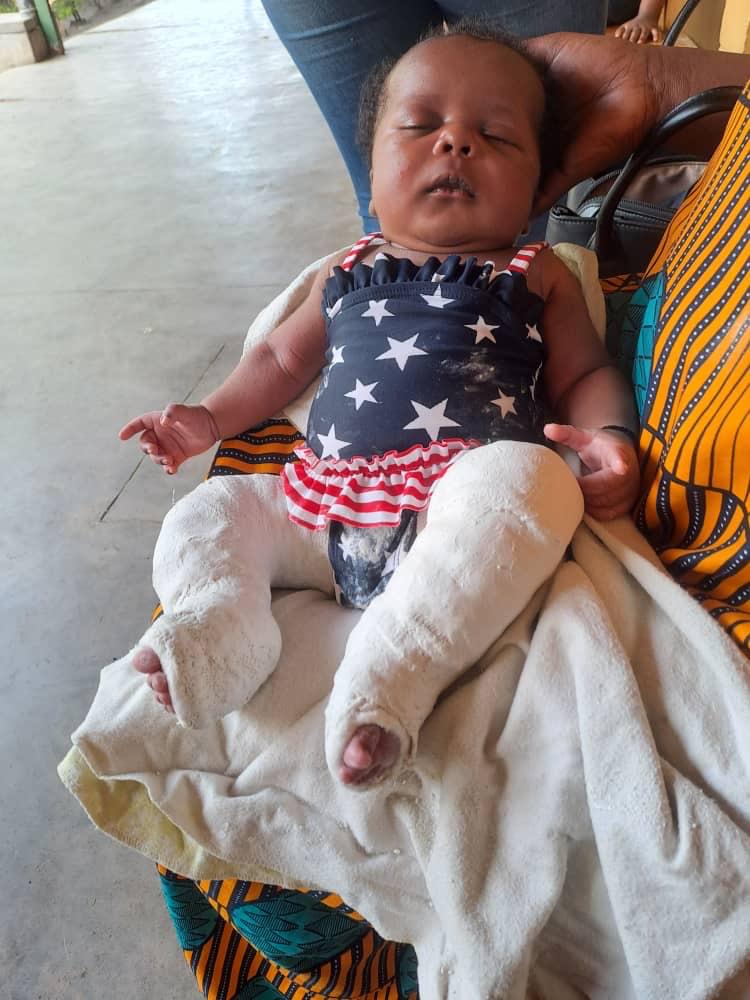
Weekly casts straighten the feet. On average, 4 to 8 casts are needed.
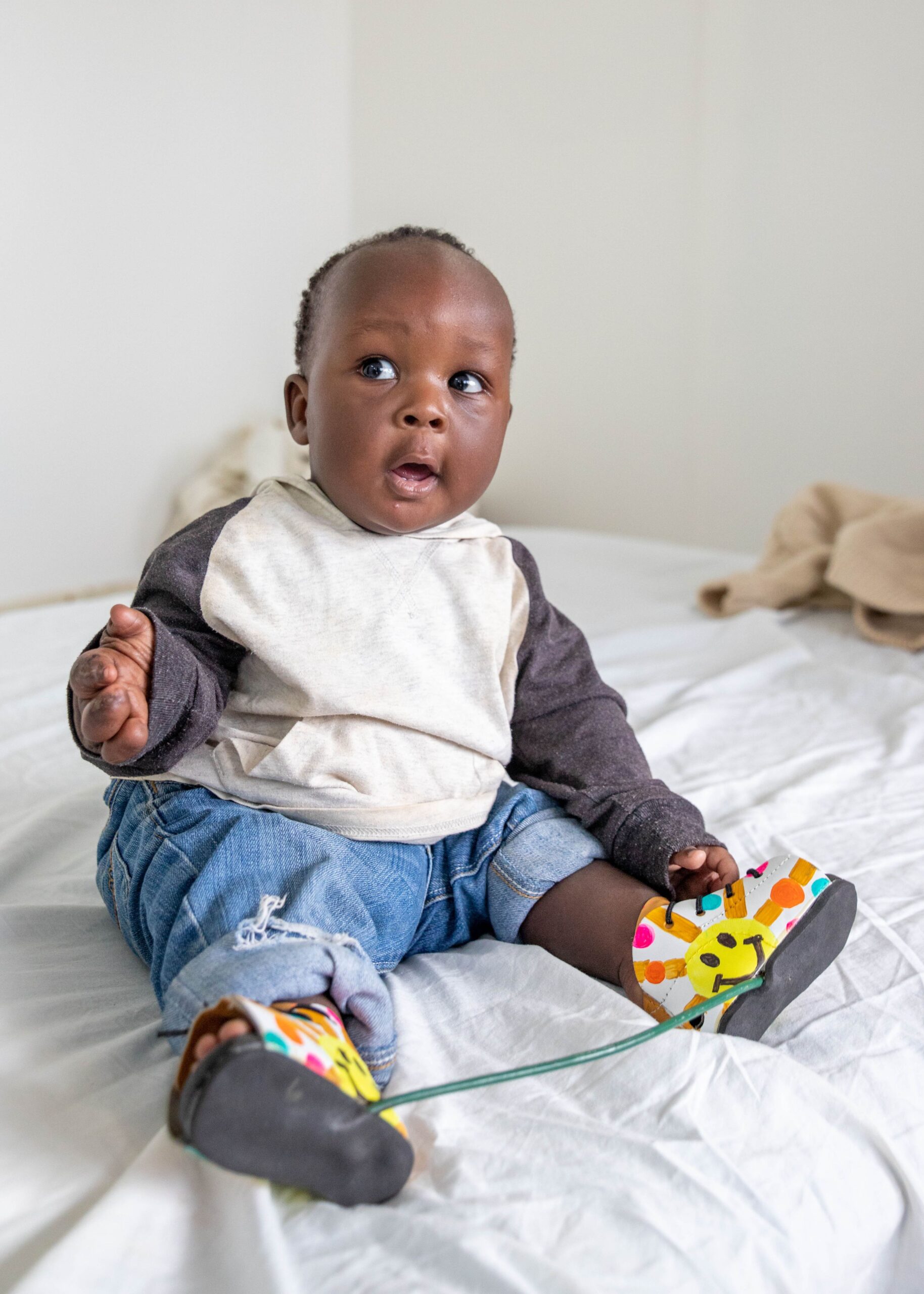
Once corrected, a child will wear a brace, mostly while sleeping, until the age of five.
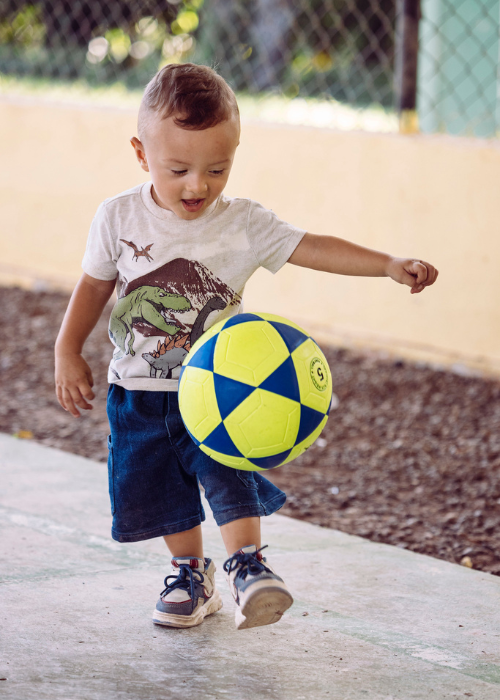
With early intervention, ideally before six months old, the impact of clubfoot can be erased and a child will grow to live a life free of disability.